
How to Begin Your Qigong Practice
A simple place to begin
If you’ve been searching for Qigong in Melbourne, you’re looking for something that helps you feel better in your body, clearer in your mind and more connected to your vitality — body, mind and spirit.
If you’re looking to practise Qigong in Melbourne or online, this is a place to begin your practice. Gentle movement is a valuable aspect of Qigong. True skill, though, is something you can feel and work with directly. Qigong goes beyond form. It works with the subtle body and transforms how your energy functions over time.
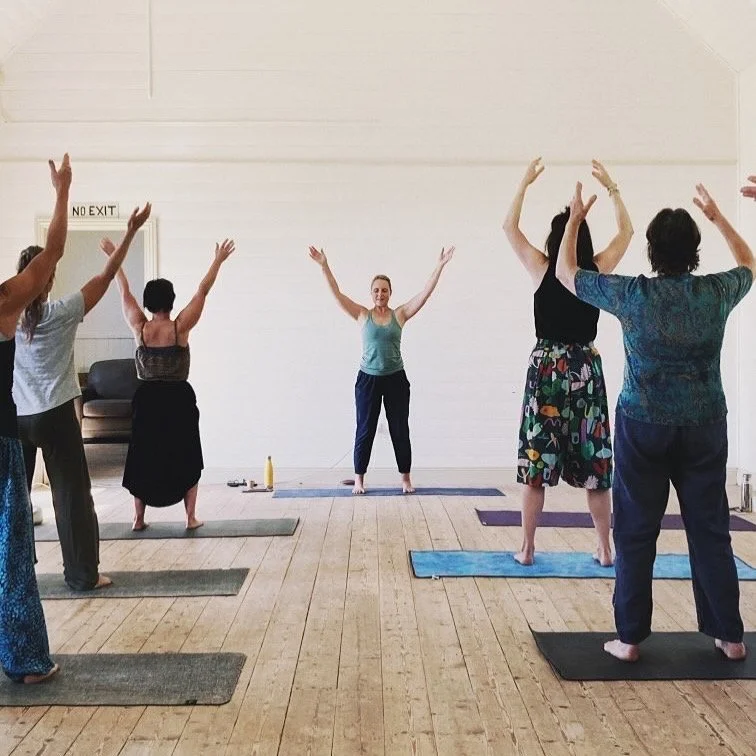
I work with students in Melbourne, across Australia and online, teaching in a way that’s centred on developing your own practice. Through the tools, guidance and structure I share, you’re building something you can return to consistently, rather than relying on occasional classes. This is where the value of Qigong begins to reveal itself.
What is Qigong?
What is Qigong?

THE BODY
Qigong is often approached as a form of gentle movement.
It begins there, through simple and deliberate movement, but what’s happening underneath is what starts to change the body more deeply.
How you stand, how you hold yourself and where you carry tension all influence how your energy moves. Through practice, the body begins to release and reorganise.
This is where the practice starts. Not where it ends.

BREATH & PRESENCE
As the body begins to settle, the breath starts to change.
What was previously held or restricted begins to soften, allowing energy to move more freely through the body.
This is where the practice starts to turn inward. Rather than following movement alone, you’re beginning to sense the internal state of your body more clearly.
This is where sensitivity begins to develop, and the practice starts to deepen.

Developing Qi sensitivity
As sensitivity develops, Qi becomes something you can feel more directly.
Not as an idea, but as a tangible experience within the body. At times it’s subtle. At times more pronounced.
This is where Qigong begins to move beyond movement and into something more internal.
You’re no longer just following a form, you’re beginning to sense and respond to your energy in a more deliberate way.

DEVELOPING YOUR QIGONG PRACTICE
This is where things either begin to deepen, or stay at the surface.
Without consistency, it’s easy to remain at the level of movement and never really experience what’s possible. Developing a practice means giving it enough time and attention to reveal itself.
Not occasionally, but regularly. Something you can return to, refine and continue to build over time.
Benefits of Qigong
What begins to change in the body
With consistent practice, changes in the body start to become noticeable, often more subtly than expected. Tension begins to release and movement becomes more fluid, with a greater sense of ease in how you stand, align and move. As sensitivity develops, changes in energy can begin to be felt more clearly through the body, and it starts to feel more supported from within.
What begins to change in the mind
Over time, the mind begins to settle, becoming quieter and less reactive. There is more space between thoughts, growing awareness of your internal state and more choice in how you respond. Focus improves, and it becomes easier to stay with what you’re doing without being pulled in multiple directions. This brings a greater sense of clarity in how you think and respond.
What begins to change in the spirit
More gradually, deeper shifts can begin to emerge, often as a greater sense of connection to yourself. A groundedness develops that isn’t dependent on what’s happening around you, and moments of stillness and ease begin to feel more familiar. There can be a quiet sense of trust in your own experience and intuition, as the practice begins to open up a deeper awareness of what’s happening within.
Where to begin
If you’re new to Qigong, start with a simple, regular practice. There’s no need to take on too much at once. What matters is beginning, and staying with it long enough for the practice to reveal itself.
Start with guided practice — a place to begin and build a regular rhythm.
Join the online studio — a space to practise consistently and integrate the work into daily life.
Go deeper with mentorship — more supported guidance to develop your practice.
Attend an in-person immersion or workshop — a way to step more fully into the practice.
Common Questions
Can beginners practise Qigong?
Yes. You don’t need prior experience, flexibility or fitness. What matters is starting simply and staying with the practice long enough to begin to feel what it’s doing.
How often should I practise Qigong?
Consistency matters more than duration. A short, regular practice will take you further than occasional longer sessions. Even 10–20 minutes, done consistently, can begin to create change over time.
Is online Qigong effective?
Yes. What matters isn’t where you practise, but how you practise. With the right guidance and a level of consistency, online practice can be both effective and easier to integrate into daily life.
What’s the difference between Qigong and Tai Chi?
They’re closely related, but not the same. Tai Chi is a martial art that’s often practised as a form of Qigong. Martial arts tend to focus more on the outward expression of energy, whereas Qigong is generally simpler, with a more direct focus on cultivating and working with energy.
How long does it take to feel results?
Some effects can be felt during or immediately after practice, while other changes take longer. Often, students begin to notice how the body relaxes and the mind settles.
What is Qigong? Press play to find out.
