

How to Start Qigong
The way to begin a Qigong practice
Starting Qigong is less about learning a lot of techniques and more about how you begin. What matters most is developing a consistent way of practising, where awareness, breath and simple movement start to work together.
Qigong is an energy skill. It’s not something you get from doing more, but something you develop over time through the way you practise.
From the beginning, the focus is on building a foundation that allows your energy to be felt, regulated and refined, rather than just performed.
What is Qigong?
What is Qigong?
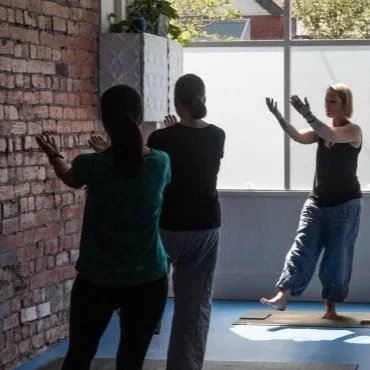
What most people get wrong when starting
Many people begin Qigong by focusing on learning movements or collecting different forms.
While this can feel productive, it often keeps the practice at a surface level, with the focus on what you’re doing rather than how you’re practising. Real change comes from the quality of your focus and your willingness to return to the same foundations over time.
If you want a clearer sense of how to begin, you can explore this further here.

What actually matters when you begin
What matters in the beginning is not complexity, but consistency.
A simple, regular practice allows the body to open, the breath to settle and awareness to deepen over time.
Rather than adding more, the focus is on refining what you’re already doing. Returning to the same foundations builds the conditions for Qi to be felt, regulated and developed.
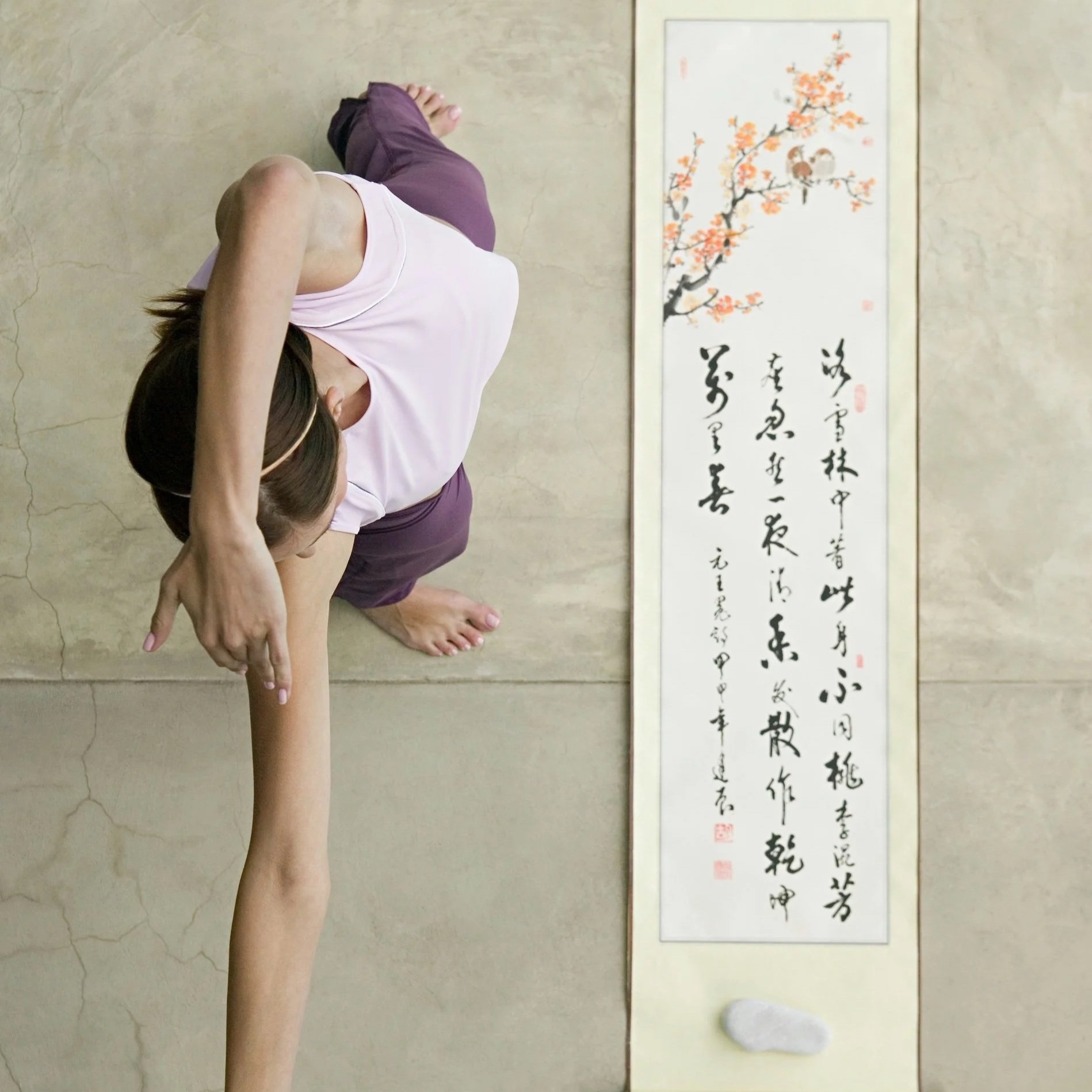
How to begin in practice
Begin simply.
Set aside a small amount of time and return to the same practice regularly. Focus on your posture, your breath and your awareness, rather than trying to learn more.
Over time, this consistency allows the body to settle and something more begins to develop beneath the surface of the movements.

What begins to develop over time
With consistent practice, your awareness begins to refine and your sensitivity to Qi develops.
What starts as movement becomes something you can feel, regulate and work with more directly.
Over time, these changes begin to show through the body, the mind and your overall sense of stability.
Benefits of Qigong
With consistent practice, these changes begin to emerge over time
What begins to change in the body
With consistent practice, changes in the body start to become noticeable, often more subtly than expected. Tension begins to release and movement becomes more fluid, with a greater sense of ease in how you stand, align and move. As sensitivity develops, changes in energy can begin to be felt more clearly through the body, and it starts to feel more supported from within.
What begins to change in the mind
Over time, the mind begins to settle, becoming quieter and less reactive. There is more space between thoughts, growing awareness of your internal state and more choice in how you respond. Focus improves, and it becomes easier to stay with what you’re doing without being pulled in multiple directions. This brings a greater sense of clarity in how you think and respond.
What begins to change in the spirit
More gradually, deeper shifts can begin to emerge, often as a greater sense of connection to yourself. A groundedness develops that isn’t dependent on what’s happening around you, and moments of stillness and ease begin to feel more familiar. There can be a quiet sense of trust in your own experience and intuition, as the practice begins to open up a deeper awareness of what’s happening within.
Where to begin
Begin with a simple, regular practice. There’s no need to take on too much at once. What matters is starting, and staying with it long enough for something to begin to change.
Start with guided practice — a way to begin and establish consistency.
Join the online studio — to practise regularly and integrate it into daily life.
Go deeper with mentorship — for more supported, individual guidance.
Attend an in-person immersion or workshop — to practise within a shared field and deepen your experience.
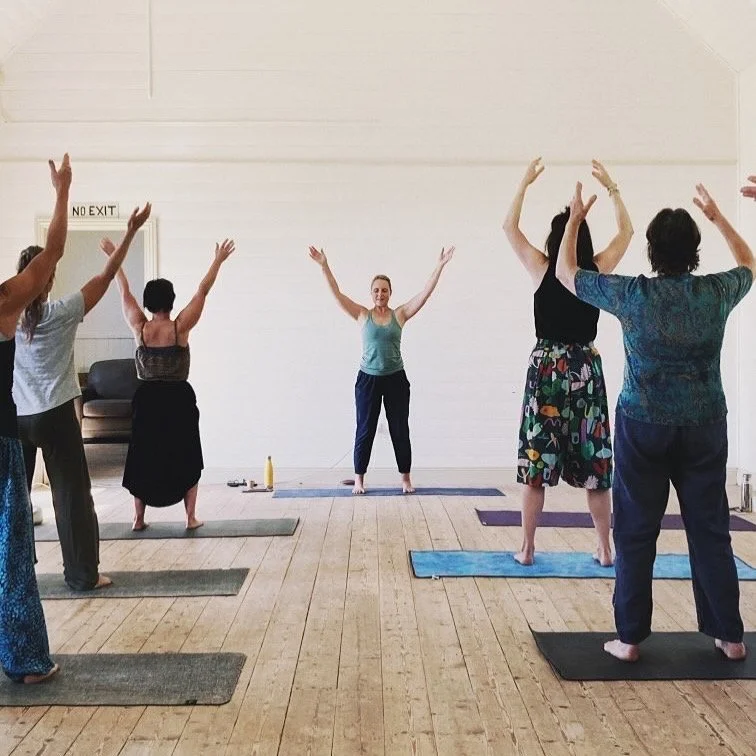
Questions about beginning Qigong
As you begin to practise, these are some of the questions that often come up.
Can beginners practise Qigong?
Yes. You don’t need prior experience, flexibility or fitness. What matters is starting simply and staying with the practice long enough to begin to feel what it’s doing.
How often should I practise Qigong?
Consistency matters more than duration. A short, regular practice will take you further than occasional longer sessions. Even 10–20 minutes, done consistently, can begin to create change over time.
Is online Qigong effective?
Yes. What matters isn’t where you practise, but how you practise. With the right guidance and a level of consistency, online practice can be both effective and easier to integrate into daily life.
What’s the difference between Qigong and Tai Chi?
They’re closely related, but not the same. Tai Chi is a martial art that’s often practised as a form of Qigong. Martial arts tend to focus more on the outward expression of energy, whereas Qigong is generally simpler, with a more direct focus on cultivating and working with energy.
How long does it take to feel results?
Some effects can be felt during or immediately after practice, while other changes take longer. Often, students begin to notice how the body relaxes and the mind settles.
What is Qigong? Press play to find out.
