What is Yang Sheng Fa? A Daoist approach to nurturing life

Most people are trying to improve their health without ever looking at how they’re actually living.
Yang Sheng Fa is a Daoist approach to nurturing life — often translated as “the practices of nurturing life,” or what is sometimes referred to as life cultivation. It sits at the core of practices like Qigong and Qi cultivation.
It’s not a technique or something you do for 20 minutes a day. It’s a way of living. It shapes how you move, how you breathe, how you eat, how you think, how you respond and how you relate to the world around you.
At its core, it’s about learning how to live in a way that supports life, rather than slowly depleting it. Not separate from life, but expressed through it. It isn’t something you understand once and move on from. It becomes clear through how you live.
Every choice either supports your vitality or works against it. Not in a rigid or perfection-driven way, but in an honest one.
Yang Sheng Fa: A way of living, not just a practice
Across ancient cultures, there was an understanding that health wasn’t something you tried to fix once it broke. The body is your vessel of life and you’re responsible for caring for it.
Different traditions expressed this in different ways. Movement, breath, ritual, herbs, time in nature and spiritual practice. The methods varied, but the principle didn’t.
Life needs to be nurtured as a whole — body, mind and spirit.
These aspects can’t be separated out and treated in isolation. Yang Sheng Fa comes from that same understanding. It’s not about focusing on one area while ignoring the rest, but about how everything works together.
Why modern health approaches are falling short
Modern approaches to health are fragmented and, in many ways, miss the point. The body is treated in parts. Symptoms are managed or suppressed. Quick fixes are normalised. Convenience often wins over anything that requires effort.
Very little attention is given to how we’re actually living, and then frustration when things don’t change.
From this perspective, health becomes something you chase or try to fix, rather than something you build.
Yang Sheng Fa brings this back to basics. It recognises that your health isn’t defined by one practice or one decision, but shaped by how you live, consistently.
Symptoms aren’t random problems. They’re signals that something is out of balance.
Working at this level asks more of you. It requires a shift in habits, in awareness and in the way you relate to yourself. Not occasionally, but consistently. This is where most people stop. Because there’s no shortcut here. But it’s also where things begin to change.
What practices are included in Yang Sheng Fa?
Yang Sheng Fa isn’t one thing. It’s a broad system of practices that support life from multiple angles.
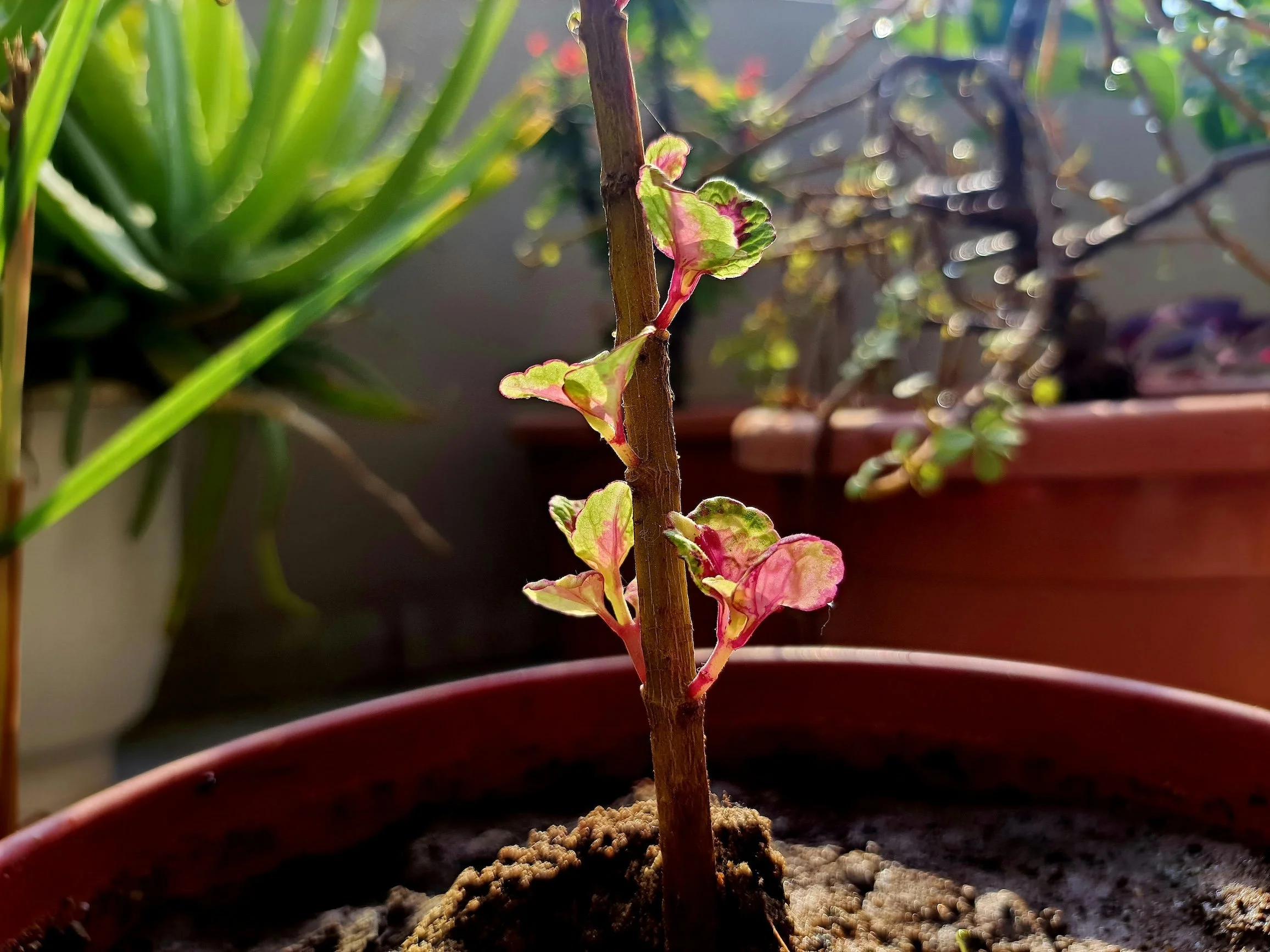
You can think of it like a river. Most people only see the main current — the visible practices like Qigong — but that’s only one part of it. There are many streams that feed into it, and they matter just as much.
This includes movement practices that circulate and regulate Qi, breath and stillness that settle the system, how you eat and nourish yourself, how you manage your energy and attention, how you process emotions, the patterns you live from, your connection to nature and how you relate to yourself and others.
When these are in place, things begin to stabilise. Not just physically, but on every level.
The physical practices are often the easiest part. They require consistency, but they’re accessible. The other aspects ask you to look more closely at how you’re living and make changes where needed, not all at once, but over time.
How Qigong and Shen Gong fit within Yang Sheng Fa
Qigong sits within Yang Sheng Fa as one of the core ways we work with the body and energy. It works with Qi, your life-force, through movement, breath and presence.
For many people, this is where they begin. It helps regulate the nervous system, settle emotional states, support physical health and bring a sense of clarity and ease.
But if it stays at that level, you’re only touching part of what’s available.
Done properly, Qigong becomes more than movement. It becomes a way of directly sensing, cultivating and refining Qi. Not just moving energy, but building it, storing it and learning how to work with it consciously.
Over time, the focus shifts. You’re no longer just following a form or trying to feel something. You begin to develop a relationship with your own energy. There’s more sensitivity, more awareness and more capacity to stay with what’s there without trying to change it.
As Qi becomes more stable and refined, it begins to support the development of Shen, your spirit. From here, the practice naturally deepens into Shen Gong and, at a more advanced level, Nei Dan — internal alchemy, where the refinement of Qi and Shen becomes a more deliberate and internal process.
This is where the orientation changes.
It’s no longer about immediate results or feeling better in the moment. It becomes a longer process of refinement, where energy, awareness and spirit begin to integrate more fully.
Patterns begin to dissolve. Perception shifts. Your way of being in the world starts to change.
This isn’t something you do for a period of time. It becomes how you live.
When I first came to Qigong, I was looking for relief. It helped regulate my nervous system and settle a level of hypervigilance I’d carried for a long time. That was enough to keep me there.
But over time, it became clear that something deeper was happening. It wasn’t just helping me manage stress. It was changing how I related to everything. Patterns I’d lived with for years started to loosen. The need to control, to push and to constantly do began to shift.
Not all at once, but gradually — and it continues to unfold now, more than a decade later.
This is where the real depth sits. Not in the movements themselves, but in what they open.
Within Yang Sheng Fa, all of this matters. Qigong supports the body and energy. Shen Gong refines awareness and spirit. Nei Dan deepens this into internal transformation.
Together, they move you back towards alignment with your own nature.

Living Yang Sheng Fa in everyday life
Yang Sheng Fa isn’t something you switch on during practice and forget about afterwards. It shows up in the small, consistent ways you live.
This might be in how you start your day, whether you rush straight into doing or take a moment to settle. Or how you respond when something challenges you. In how you eat. In how you respond to stress. In how you meet your emotions. In whether you give yourself space to slow down. In how much time you spend connected to your environment. In the patterns you keep repeating.
Some of this is simple. Some of it isn’t. Because it asks you to look at what’s not working and actually change it. There’s no quick fix here. If you want real health, something has to shift in how you live. That takes effort, consistency and a willingness to take responsibility for your own patterns, habits and choices.
Not perfectly, but honestly.
Yang Sheng Fa points to that. Not as something you achieve, but as something you live into over time. And at a certain point, guidance becomes part of the path. Not to give you answers, but to help you see clearly what’s already there.
If you're interested in exploring what it means to cultivate not just a practice, but a way of living, I share new writing and reflections by email.