Establish Your Qigong Practice
This is where your practice begins
Before stepping into mentorship or training to teach, your own practice needs to be established.
This stage is a self-paced, online program focused on developing a consistent, lived practice. It develops through learning to feel, refine and stay with the process over time.
The focus here is on building something steady and grounded — not something you do occasionally, but something you return to and deepen.
As your practice becomes consistent, your awareness changes. Your relationship with your Qi becomes clearer, and from that, the foundation for teaching begins to take shape.
This isn’t something to move through quickly. It’s the beginning of a way of practising that supports everything that follows.
What this looks like in practice
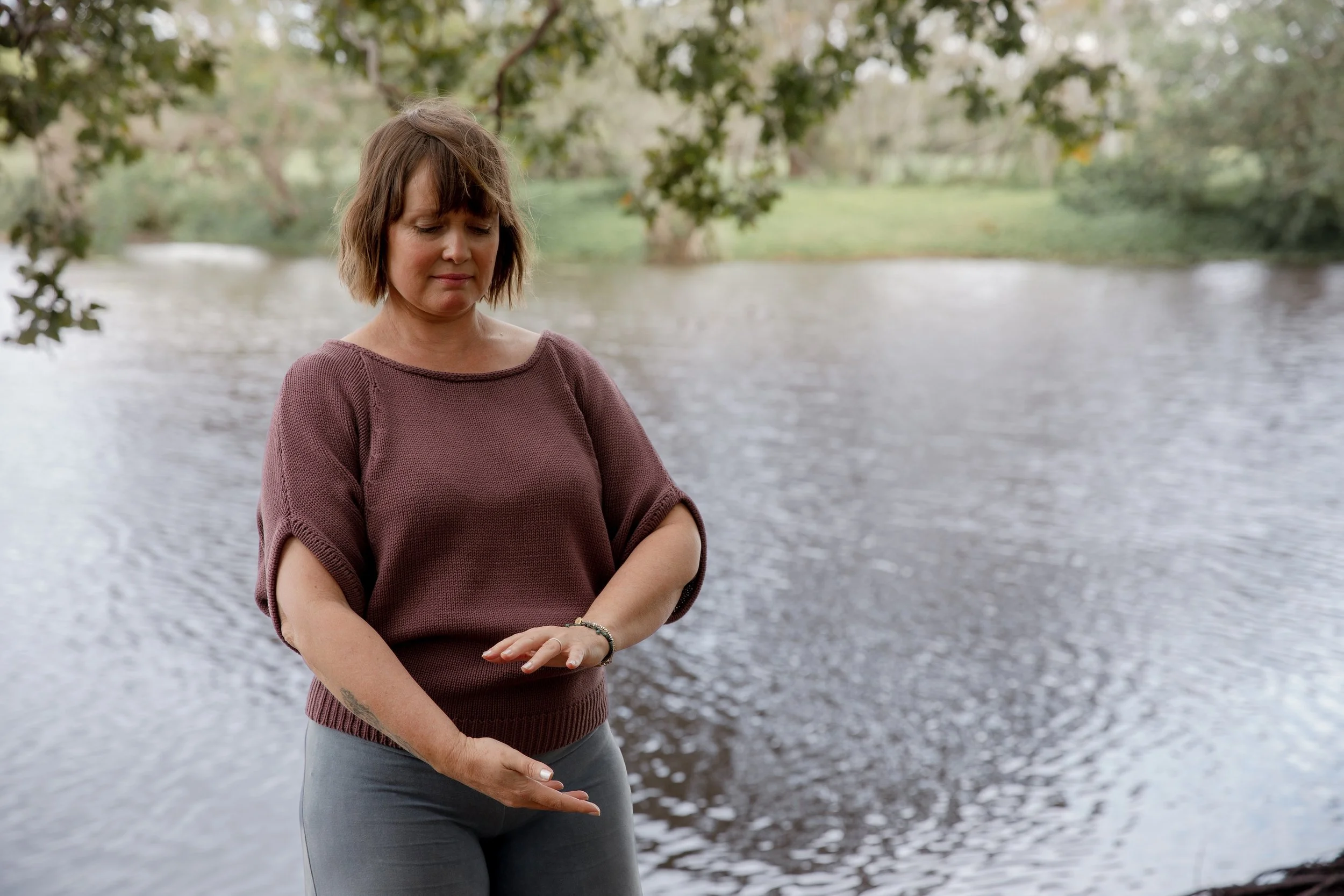
You begin with Qigong Foundations, understanding and establishing the fundamentals of your practice through posture, alignment, Song and an introduction to sensing and working with Qi.
From there, Condition, Regulate & Flow Qi builds on these foundations, introducing ways to condition the body, regulate the breath and mind and develop a more natural sense of flow within your practice.
Your study is supported by three months of Yang Sheng Fa Membership, giving you access to a wider library of practices and resources to support your development.
Alongside this, we meet online in a one-to-one session so I can get a direct sense of how you’re engaging with Qigong and how your practice is developing. The intention of our session is to understand what you’re seeking, what’s drawing you in and what you’re ready to commit to.

What this asks of you
Establishing your practice doesn’t require prior experience, but it does ask for consistency and a willingness to return to practice again and again.
The practices are simple enough to return to regularly, but developing your Qigong asks you to stay with them. Rather than moving quickly from one thing to the next, you’ll spend time becoming familiar with the principles, the forms and what you’re actually experiencing as you practise.
You’ll also have access to 21 guided practices from the Establish Your Practice live series, each around 30 minutes. These give you somewhere to return to as you develop your own rhythm of practice alongside the self-study.
As your practice develops, the emphasis shifts from simply following movements to feeling and working with your Qi. You begin to notice more of what is happening within the practice and to refine what you’re doing through experience.
There’s no pressure to move beyond this stage. The intention is to give you the time, practice and support to become more deeply acquainted with Qigong and with your own experience of it.
From there, what comes next can become clear in its own time.
The next stage of training
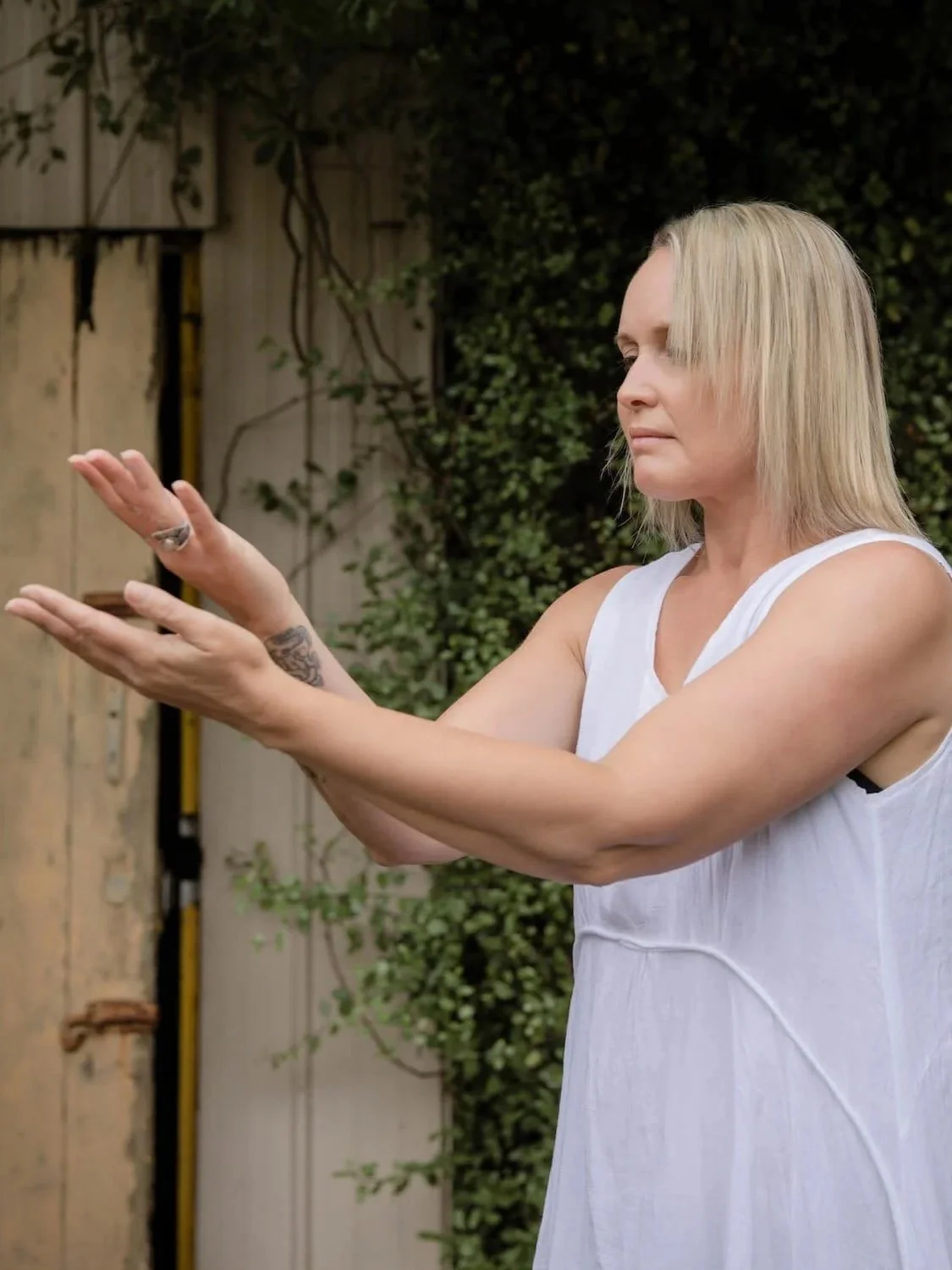
Once your practice is established, Dao Mentorship is where your training is guided, refined and developed toward teaching.
Through one-to-one mentorship, we assess your practice, identify your direction and support the next stage of your development.
If you already have an established practice or have previously completed foundational study, you may be ready to apply directly for Dao Mentorship.
Looking for more structure and support?
Alongside the self-paced program, a live online version of Establish Your Practice is periodically offered. The next intake begins in January 2027.
Recognised by the International Institute of Complementary Therapists