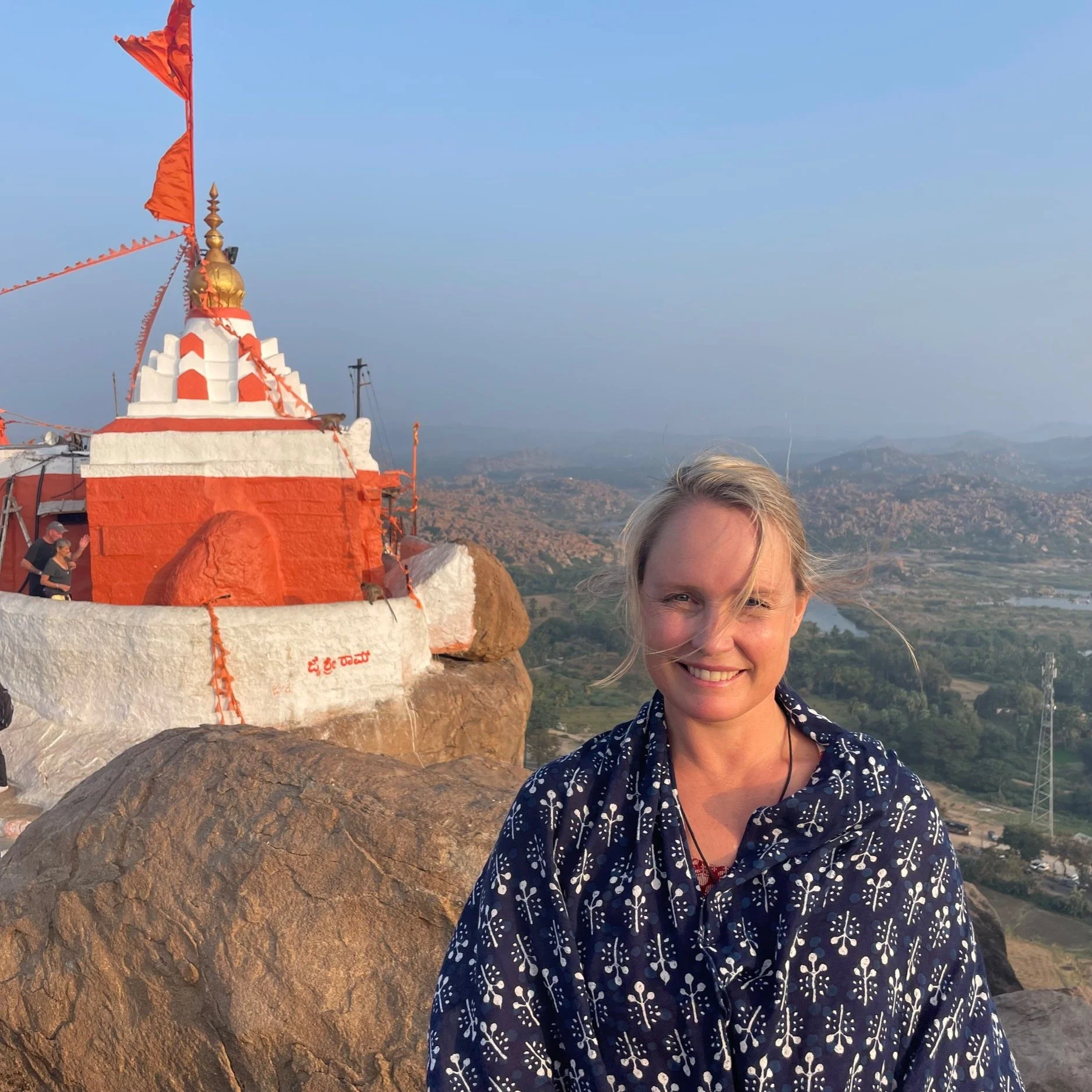
There are times when I love having no schedule. No routine, nowhere I need to be, nothing I have to do. Just space to follow whatever feels right in the moment.
And then, after a while, I start craving some structure again.
I want my morning rituals. I want to know what I'm doing with my time. I want the rhythm of practice and the feeling of being grounded in my day.
I've noticed that when I have that structure, I actually feel clearer. I know what matters to me and where I want to put my energy.
Getting clear
Knowing what matters to us is one thing. Actually creating the conditions for it to unfold is another.
I think this is part of how change actually happens.
It's rarely one big decision or some dramatic reinvention of our lives. More often, it's the small things we keep returning to. The choices we make, the things we give our attention to and the ways we spend our days gradually start to shape us.
That's the kind of change I'm interested in. Slow change. The kind that happens almost imperceptibly, and then one day you realise you've become someone a little different.
Finding a Rhythm
When I came home after that period of having very little structure, I realised I didn't actually want to go straight back to the routine I'd had before.
There was a time when I would practise Qigong for an hour or more every morning. I'm not there anymore. These days my mornings are a bit more varied. Some mornings I'll practise Qigong. Other mornings I might strength train, read, practise Shen Gong, go for a walk, potter around in the garden or sit down with a slow coffee.
I don't need every morning to look the same. For me, structure isn't about doing the same thing every day. It's about having enough rhythm that I don't have to reinvent my life every morning.
This is also why I think establishing a regular practice matters. It doesn't need to be elaborate or look the same every day. It's about creating a place for practice in your life and allowing that relationship to develop over time. That's really what Establish Your Practice is about.
At the same time, I try to notice when I'm saying "I don't feel like it" and whether that's actually true. Sometimes I genuinely need something different. Other times I'm avoiding something.
Being able to tell the difference is useful.
Creating the Conditions
Getting clear about what matters to us is one thing. Actually creating the conditions for it to unfold is another. It's easy to say we want something to change. It's much less glamorous to look at what we're doing every day and ask whether those choices are actually supporting the direction we want to move in.
Sometimes that means committing to something and doing it consistently. Sometimes it means learning something new. Sometimes it means changing what we're giving our time and attention to. Sometimes it means doing something that feels a little uncomfortable.
For me, learning and growth have always been closely connected to service. There's always something else I want to understand, explore or experience, and that naturally finds its way into what I offer and how I contribute.
Growth isn't always about doing more though. Sometimes it's about slowing down. Sometimes it's about making space. Sometimes it's about giving attention to what keeps asking for my attention and being willing to follow it.
We don't necessarily need to know exactly where we're going. We need to create the conditions in which the direction becomes clear.
What Are You Growing?
There are always things we're learning, changing, refining and letting go of. For me, Qigong is part of that. It's not something I practise separately from the rest of my life. It's woven into how I care for myself, how I give attention and how I keep learning and growing.
This is also what I love about Yang Sheng Fa. Nurturing life isn't about finding the perfect routine or ticking all the right boxes. It's about giving attention to what supports our vitality and making choices that support the life we're actually living.
So rather than constantly asking myself, What do I need to change? I ask:
What am I growing?
What am I giving my time and attention to?
What am I learning?
What am I practising?
What am I making space for?
These things accumulate. The small things we return to, again and again, gradually shape us. That's the kind of change I'm interested in.
That's what I mean by slow change.
The kind that happens quietly, often without us noticing, until one day we look back and realise we're not quite the same person we were before.
If you're interested in exploring how the small choices we make can shape the life we're growing into, I share new writing and reflections by email.