When Qigong Stops Feeling Easy

At the beginning, Qigong often feels easy. The movements are new, the body responds quickly, and there’s a sense of change, sometimes quite profound.
And then, for many people, something shifts. The practice doesn’t feel the same. Progress slows, and what once felt natural starts to require more attention.
This is the point where many people begin to question what they’re doing, or quietly drift away from the practice. This is often where people feel like their Qigong practice has stopped working, even if they’ve been showing up regularly.
It’s the moment where the honeymoon ends.
When Students First Begin Learning Qigong
When this happens varies. For some students, it never does. Their experience of Qigong deepens quickly, and the practice becomes a natural part of their life.
They’re captured by it. Not just the movements, but the philosophy and the way it begins to reshape how they feel in their body, their mind, and their energy. The benefits are tangible, and the practice becomes something they return to consistently.
One of my students, for example, began practising Qigong to ease the symptoms of fibromyalgia. She showed up consistently, attending workshops, trainings, and maintaining a daily personal practice. Over time, she experienced significant changes, and now rarely experiences symptoms. Her experience is a clear example of what consistent Qigong practice can build.
Another example comes from one of my Qigong Teacher Training graduates, who now teaches Qigong himself. He shared the story of a personal training client who had gone through breast cancer surgery and chemotherapy, and wanted to rebuild strength, fitness, and vitality.
As part of her program, Qigong was integrated consistently. A simple daily practice focused on building Qi, opening the body, and refining posture and breath.
Over the past few months, she and her husband have stayed with that practice. They now call it their “workout,” and she describes it as giving her a new lease on life. Her energy has improved, her scans and tests have shifted, and even bone density loss has begun to reverse.
These kinds of outcomes don’t come from doing more, but from staying with the practice long enough for something to actually develop, something I’ve explored further when looking at how often you should practise Qigong.
If you’re looking to develop a more grounded and consistent practice, you can start here.
Beyond Casual Practice: Moving Toward True Energy Skill
For others, especially those who begin with online videos or YouTube classes, it can feel like they’re doing Qigong. But often, what they’re doing is gentle movement.
And while gentle movement has value, it’s not the same as cultivating Qi.
There can still be benefits, particularly with regular practice. But without depth, the practice stays on the surface. It doesn’t develop into something that builds over time.
For students who step into a deeper level of training, this is often where things begin to change.
They start with curiosity. Qigong feels interesting, even exciting. They might think, I’d like to teach this.
But after a while, the experience shifts. The movements are no longer new. Refinement is required. Feedback highlights what needs to change. And it becomes clear that this isn’t something you can just pick up and move through.
It requires time. Attention. A willingness to slow down.
This is where many people feel like their Qigong practice has stopped progressing. The initial ease fades, and the mind starts to question the value of continuing.
This is the testing ground.
Where curiosity, patience, and real commitment either deepen, or fall away. For some, this is where the practice deepens. For others, this is where they crash and burn.
The Steep Qigong Learning Curve
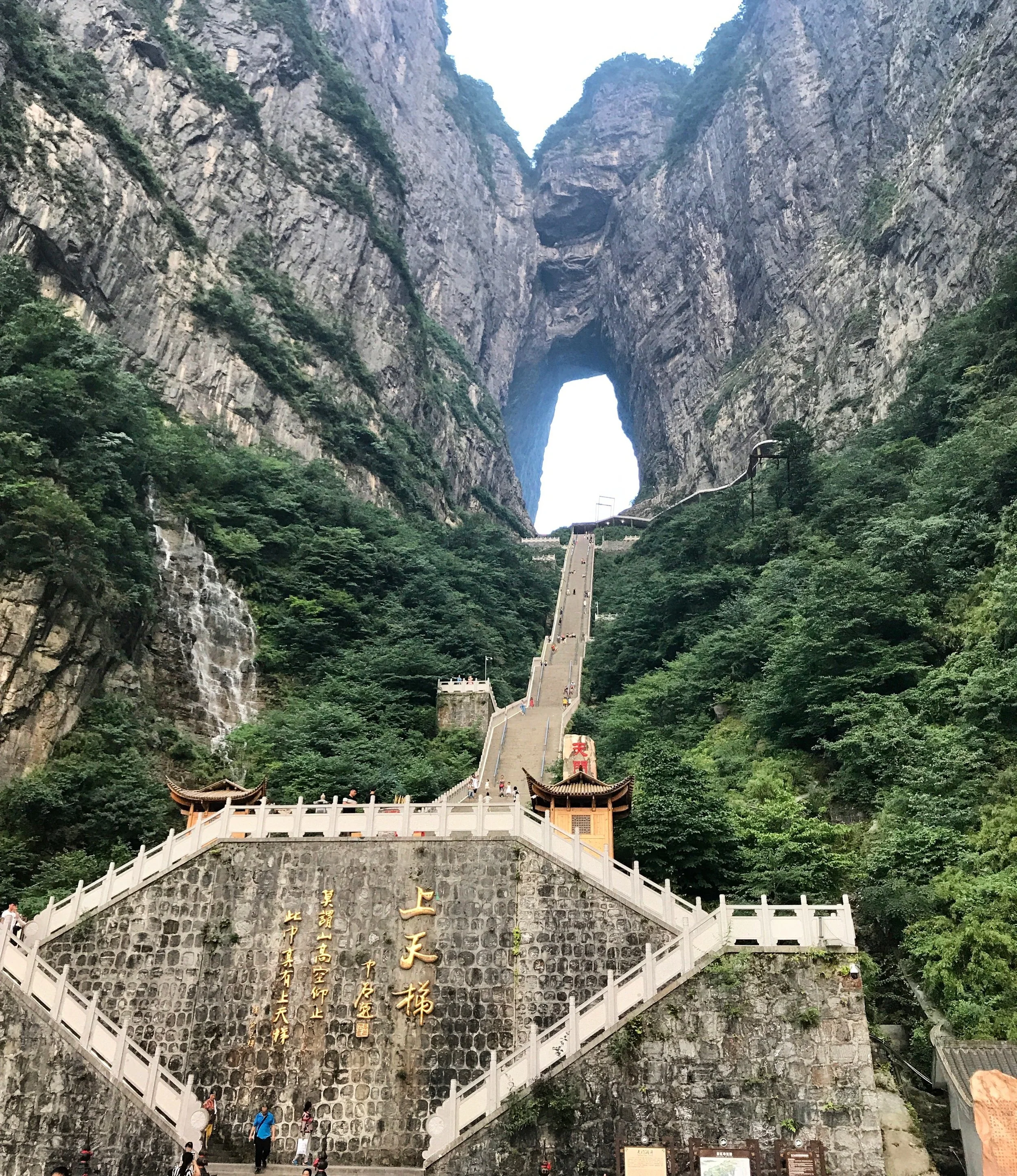
I often describe learning Qigong as having a steep learning curve, and many of my students recognise this once they move beyond the initial stages. From the outside, Qigong can appear simple. Gentle, flowing, almost effortless.
But the internal process is anything but.
The practice asks you to unlearn habitual patterns of movement, release tension you may not even realise you’re holding, and refine your awareness in ways that don’t come naturally in a fast, distracted world.
Whether a student bows out or continues to deepen comes down to this.
Embodiment. Attention to detail. The subtle alignments, the precision, the internal differentiations. These are what begin to open the energetic aspect of the practice.
Without that refinement, Qigong remains physical. Pleasant, sometimes calming, but limited in how deeply it can work. This is the steep part of the Qigong learning curve. It’s where the form shifts from something you follow, to something that reflects you.
It begins to show where you’re disconnected, where you rush, and where you resist.
Why Guidance from a Qigong Teacher Matters
This is where guidance becomes important. A teacher helps bridge the gap between looking like you’re doing Qigong, and actually being in the practice.
They can see what you can’t yet feel. Subtle misalignments, unnecessary tension, habitual ways of moving. These shape how Qi moves, even when they’re not obvious.
With guidance, you begin to refine posture, breath, and internal engagement. The same movements start to work differently. What once felt like form becomes something that actually cultivates and directs Qi.
A teacher also supports the development of sensitivity. Learning to feel Qi, to recognise how it moves, where it gathers, and where it becomes restricted.
Without that, the practice can remain at the level of movement. With it, something deeper begins to take shape.
There’s also the reality of the process itself. The steep part of the learning curve can be frustrating. Progress can feel slow. This is often where people start to doubt the practice, or themselves.
When Qigong Becomes Effortless
Having guidance here matters. Not to push, but to keep you oriented. To help you stay with the process long enough for it to unfold, and to understand what to look for in a teacher who can actually support this level of practice. Over time, with consistent practice and the right support, something shifts. The movements begin to feel different. The breath settles. The mind steadies. Qi starts to move with less effort.
The steep curve begins to level out.
This is where Qigong stops being something you’re trying to do, and becomes something that begins to live through you.
If you're interested in the deeper questions that arise as Qigong practice matures, I share new writing and reflections by email.