
Exploring Qigong Practice
Featured post

Browse the Blog

Why a Certificate Won’t Make You a Qigong Teacher
Many Qigong students leave training with only the “bones” of the forms — the outward shapes without true embodiment or energetic expression. Certification alone can’t bridge that gap. In this post, I share why mentorship, consistent practice, and guidance from an experienced teacher are essential for anyone serious about learning Qigong — and especially for those who want to teach it. Danielle’s story shows how a short, focused mentorship can transform a student from knowing the movements to truly feeling and expressing the practice.

What Most Qigong Is Missing: Shen Gong for Body, Mind, and Spirit Coherence
Discover why most Qigong practice focuses only on movement and misses the deeper work of Shen Gong. Learn how cultivating the heart-mind, refining Qi, and engaging in inner reflective practice can bring body, mind, and spirit into true coherence. Explore emotional energy, frequency work, and the transformative power of Shen Gong.

How to Start a Qigong Practice at Home (Even If You’re Busy)
Learn how to start a Qigong practice that fits into your life. Keep it simple, build consistency and begin returning to your body, breath and energy each day.

If You Say You’re Too Busy to Practice Qigong, You’re Missing the Point
If you say you’re too busy to practice Qigong, discover why daily Yang Sheng Fa practice is essential for cultivating vitality, clarity, and authentic embodiment.
Qigong, Shen Gong, Neigong & Nei Dan: How the Practices Connect
Qigong, Shen Gong, Neigong and Nei Dan are different practices, but they aren't separate from one another. Explore how these practices connect, how my own practice has unfolded, and why cultivation is more like a spiral than a straight path.

Is Qigong the right practice for you?
Wondering if Qigong is right for you? Learn what this powerful practice really asks of you — and what it offers in return.

The Disadvantages of Qigong: Why a Holistic Approach is Key to an Effective Practice
What doesn’t get talked about as much are the disadvantages of Qigong when it’s practiced in a fragmented or overly reductionist way. When people isolate one aspect of Qigong, whether it’s an element, an organ system, an emotion, or a single technique, they limit the depth of their practice and, in some cases, create more imbalance than they resolve. True transformation comes from working with the body, mind, and spirit in a holistic way.

How Often Should You Practice Qigong?
How often should you practice Qigong? It’s one of the most common questions, but the answer isn’t about doing more. What matters is staying with the practice long enough for something real to build.

Understanding the Nervous System: Daoist and Energetic Perspectives
The nervous system is an intricate web of energy that shapes how we respond to the world around us. Modern science tends to view it as a network of nerves and electrical signals, but in Oriental Medicine and Daoist tradition, the nervous system is understood in a far deeper, more expansive way.

Qigong Is Not Information to Collect
What if Qigong isn't information to collect, but a relationship to cultivate? Discover why learning the forms is only the beginning of a lifelong practice.

How to Choose a Qigong Teacher
Most Qigong teaching focuses on movement. That’s not the same as developing real skill. Here’s what actually matters when choosing a Qigong teacher.

How Childhood Trauma Led Me to Qigong and Emotional Healing
My healing journey and awakening to my true self started about 14 years ago. But my journey has been different. I wasn’t overcoming severe physical abuse or devastating trauma from my childhood or teen years. My wounds were more subtle, rooted in mental and emotional pain.
Discovering Qigong was a turning point for me. It helped me reconnect with my body, mind, and spirit. At first, it simply helped me feel more grounded and emotionally balanced, which was such a relief.

Qigong Teacher Training: Do You Need Accreditation?
Do you need accreditation to teach Qigong? In Australia, and many parts of the world, the answer is often no. But that's not the most important question. This article explores what it truly means to be ready to guide another person's practice and why embodiment, proficiency, discernment and mentorship matter far more than a certificate alone.

Jing, Qi and Shen: The Three Treasures of Qigong
Jing, Qi and Shen are known as the Three Treasures of Qigong. Explore how these interconnected frequencies of energy shape our practice, perception and cultivation.

What is Shen Gong?
Shen Gong is the cultivation of Self. Explore this Daoist practice and discover how working with the mind, mental field and astral energy develops perception, discernment and a deeper relationship with Self.

Three Things New Qigong Teachers Often Get Wrong
Teaching Qigong is about more than knowing the movements. Here are three common mistakes new Qigong teachers make, and what they can teach us about presence, instruction and personal practice.
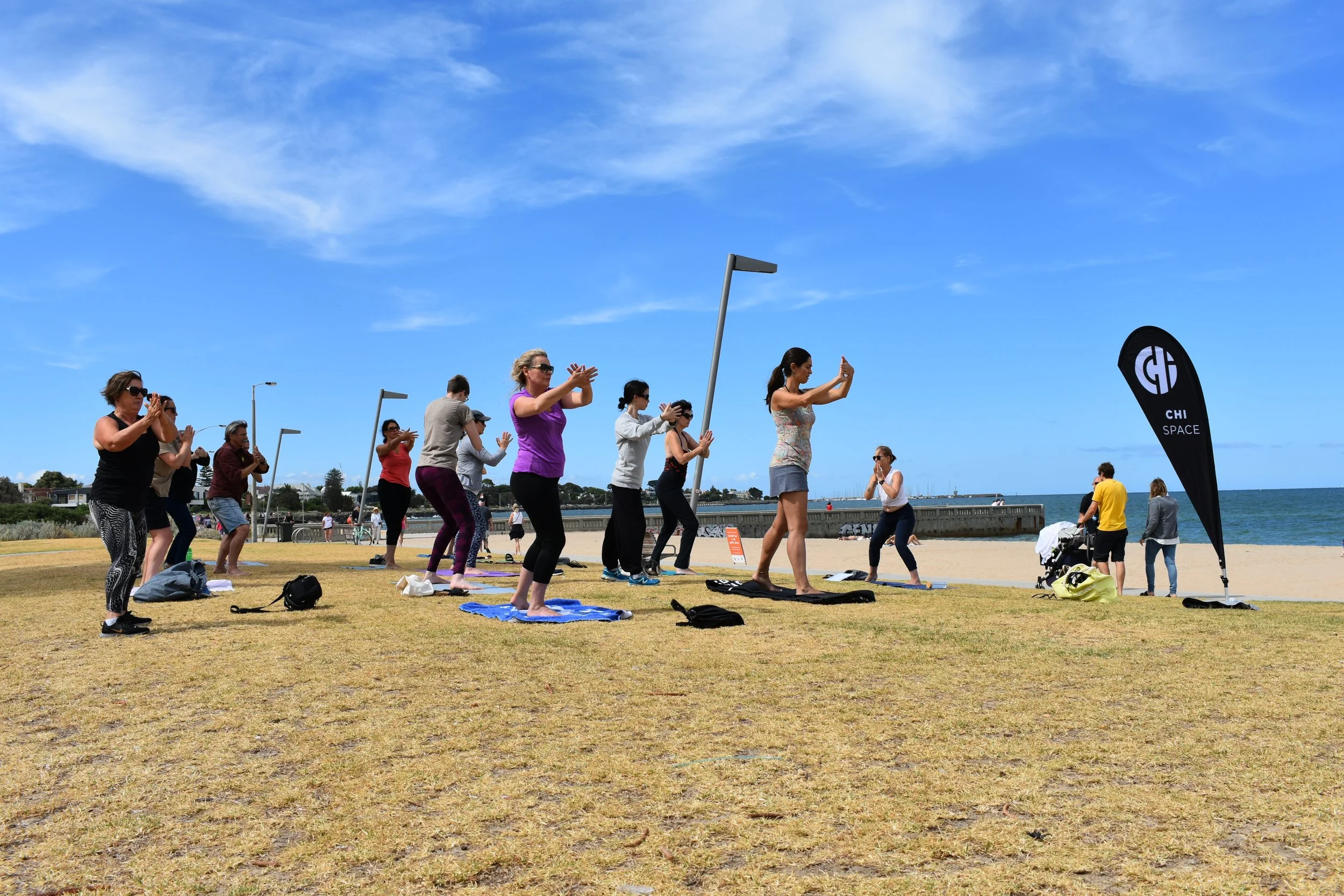
What does it really mean to become a Qigong teacher?
Many people feel inspired to teach Qigong after experiencing its benefits firsthand. But becoming a capable Qigong teacher involves far more than learning forms or completing a certification. Explore the role of practice, Qi skill, cultivation and embodiment in the path of teaching Qigong.

Why Modern Life Makes Qigong Practice Difficult
Modern life trains the mind toward speed, distraction and constant stimulation. Qigong asks for something very different: the ability to slow down, gather attention and allow the body and mind to come into coherence. This article explores why many people find Qigong practice surprisingly challenging — and why the simple practice of standing becomes such an important doorway into deeper cultivation.