What is Qigong? A Clear Guide for Beginners
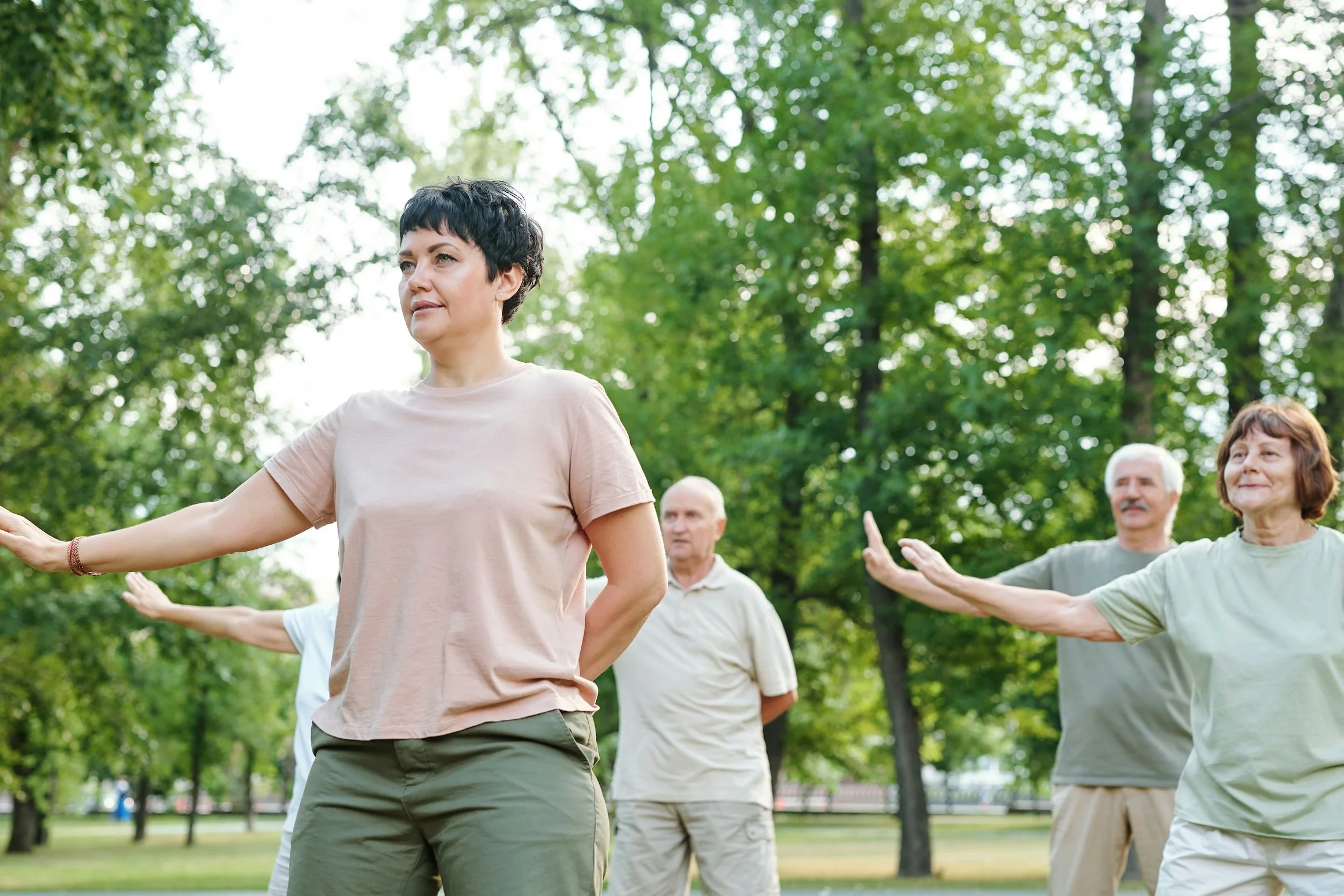
Qigong is a practice that combines movement, breath and presence to regulate the body, train the mind and cultivate vital energy, known as Qi.
In simple terms, Qigong is a way of working with your body, breath and awareness together so your whole being starts to function more coherently, with less tension and interference.
This is why Qigong is often used to improve energy levels, reduce stress and develop a more stable internal state over time.
Understanding Qigong
It’s important to understand from the outset that the term Qigong is relatively modern. While the concepts of Qi and Gong have existed for thousands of years, the term itself only came into common use around the 1950s during the Cultural Revolution, as a way to group a wide range of traditional practices.
Prior to this, these practices were known by different names depending on the system or lineage they came from. One of the more commonly used terms was Dao Yin (or Daoyin), referring to practices that guide and direct the body and breath.
On the surface, Qigong can appear simple. Slow movements, deliberate breathing and stillness practices. But it’s what’s happening at the energetic level that determines whether it’s actually Qigong or not.
It’s not just a matter of going through the motions. As the body, breath and awareness begin to come into alignment, the practice moves beyond the form itself.
Your internal state begins to shift through how you’re actually using your body and energy day to day. Not as a temporary effect, but as something that develops and becomes more stable over time.
What does Qigong actually do?
A central theme across many lineages and traditions of Qigong is the three Dantian (energy centres) and the three bodies. This is where the practice begins to deliver its effects and benefits.
Lower Dantian – Vital energy – The physical body
Through learning the core fundamentals of practice such as standing, natural breathing and basic energy cultivation, the body begins to change. Unnecessary tension starts to release, alignment improves and movement becomes more natural and efficient. Circulation increases, joints begin to open and the body starts to feel more connected as a whole.
Middle Dantian – Emotional energy – The emotional/self body
With regular practice, the breath deepens and softens, becoming more regulated. This is where Qigong begins to have a direct effect on the nervous system, helping shift you out of a constant stress response and into a more open and aware state.
Upper Dantian – Shen energy – The mind
Regular practice also trains the mind and the will. Through the application of focused attention, the mind begins to guide the Qi, improving flow. Over time, awareness becomes more stable and the thinking mind starts to settle rather than dominate.
Through working with the three Dantian and the three bodies, the effects of Qigong become increasingly tangible. Sensations like warmth, movement, fullness or flow begin to arise. This isn’t something added in, it comes from the body, mind and spirit beginning to work together more coherently. If you’re starting to notice these sensations, I’ve written more about Qi cultivation and how this develops over time.
This is where Qigong moves beyond exercise and into skill.
These layers aren’t separate, but they can be worked with individually. As they begin to integrate, the practice starts to have a more direct and lasting effect.
The benefits of Qigong
People often come to Qigong for a specific reason, but continue because the practice begins to affect them more than they expected.
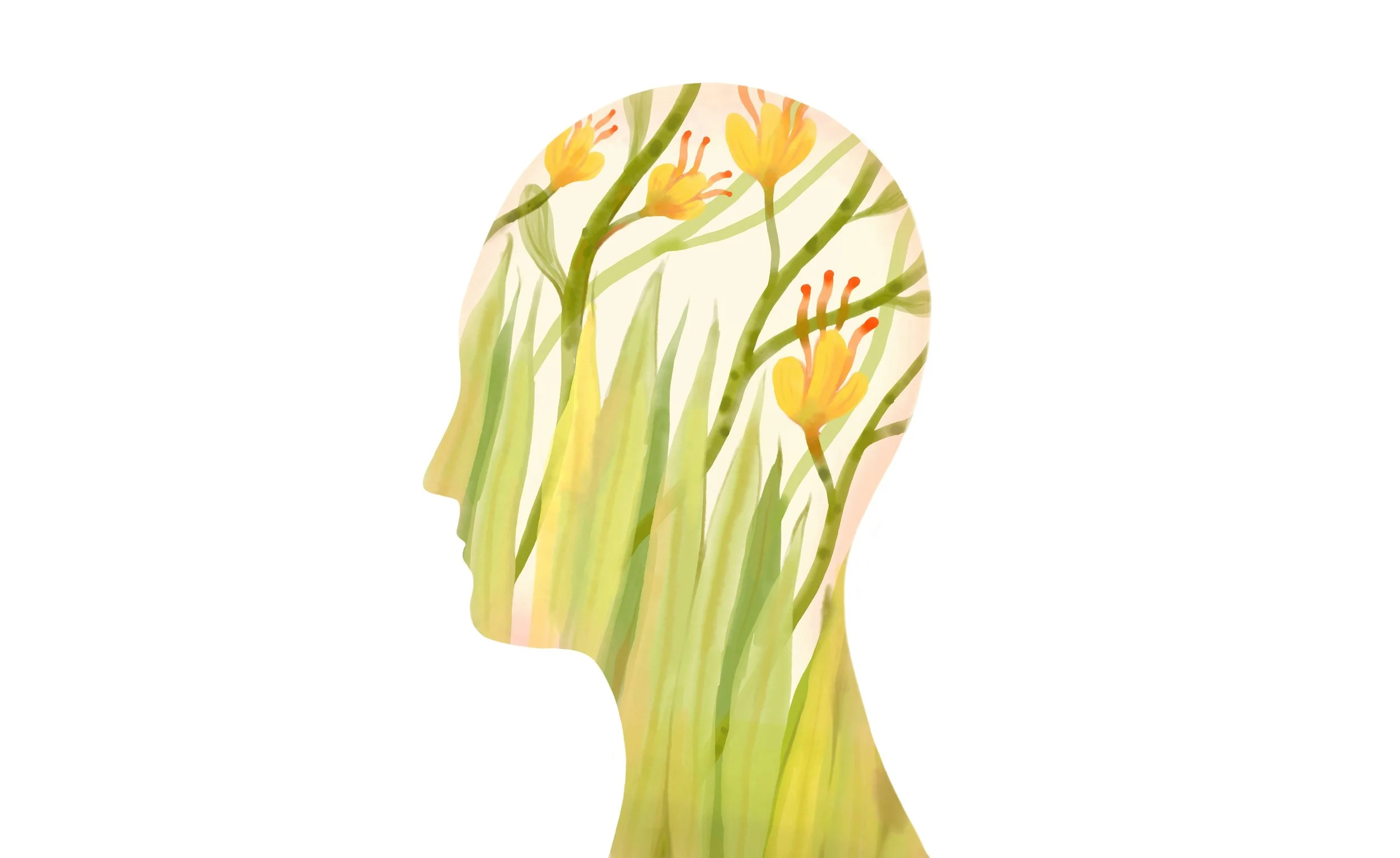
As the body, breath and awareness start working together more coherently, a range of benefits of Qigong begin to take place.
Some of the more common outcomes include:
reduced stress and anxiety as the nervous system becomes more regulated
improved energy levels without overstimulation or burnout
better sleep and a greater ability to settle
increased mobility with less tension held in the body
a growing sense of internal stability and resilience
These aren’t quick fixes. They come through consistent practice over time.
If you’re wondering what happens when people actually stick with it, I’ve shared more in my article on daily Qigong and what students experienced over time.
The part that matters most, and where many people fall short, is building a Qigong practice that holds rather than something that comes and goes.
What most people misunderstand about Qigong
One of the biggest misconceptions is that Qigong is just slow or gentle movement.
It isn’t.
You can go through the motions of a form and not really be doing Qigong at all. The practice lies in how you’re using your body, how the breath is moving and where your awareness is placed while you’re doing it.
Another common misunderstanding is that Qigong is only about relaxation.
While the practice often has a calming effect, that’s not all it’s doing. It’s also building something — posture, alignment, internal connection and, most importantly, Qi.
It’s deceptively active, just not in an obvious way.
How to start Qigong
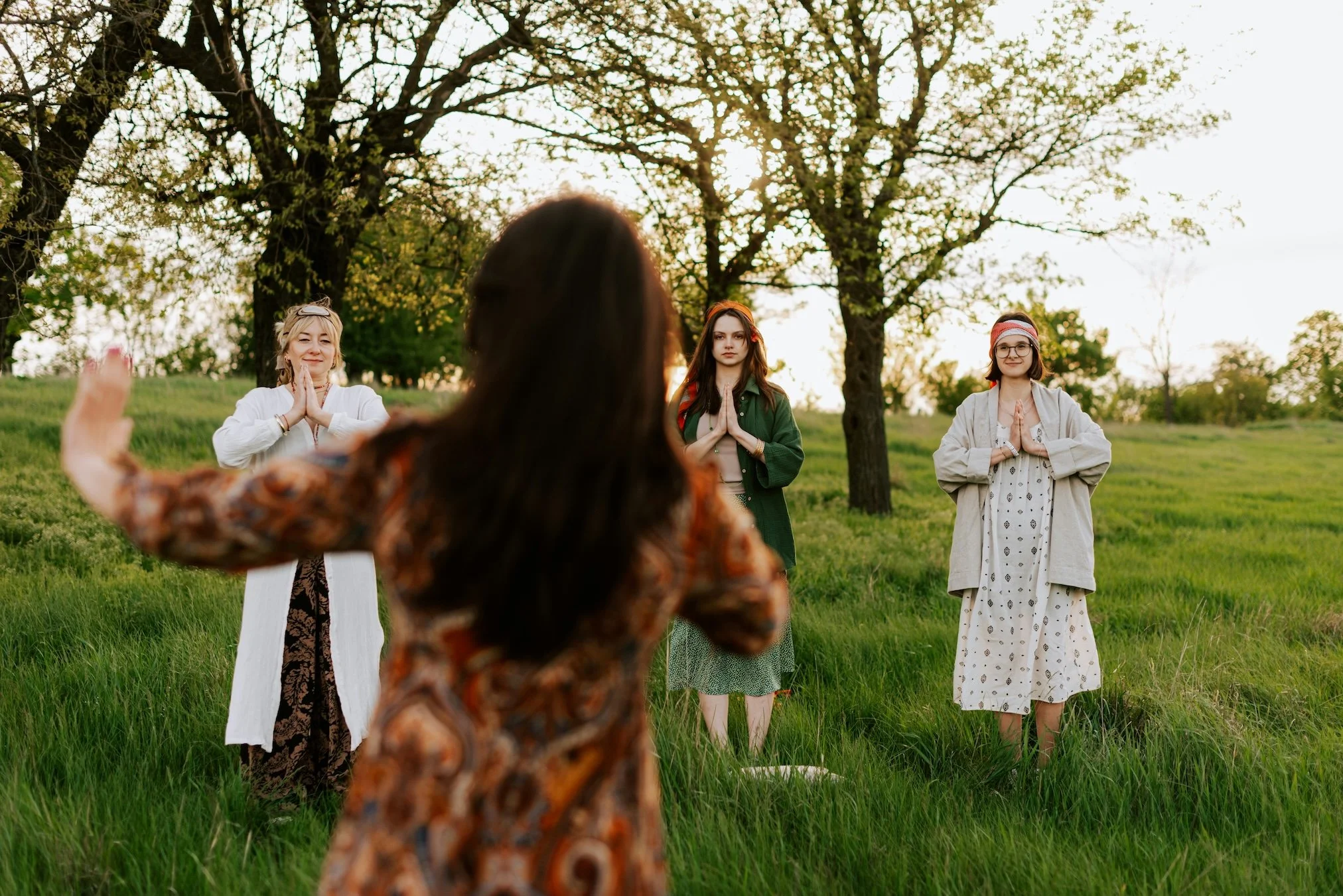
It doesn’t need to be complicated, but having a method or framework to follow is important.
The most important part is to start where you are and keep returning to it. Focus on learning how to stand, how to breathe naturally and how to focus your mind. These are the foundations everything else is built on.
A Qigong practice can be simple.
Stand.
Breathe.
Move a little.
Bring your attention back when it drifts.
That’s enough to begin.
Keep your practice short and regular. It’s not about doing more, it’s about doing it in a way that allows the body and breath to settle and begin working together. If you want a simple way to begin, I’ve written more about how to start a Qigong practice at home in a way that actually fits into your day.
Most people overcomplicate this in the beginning. They think they need longer sessions, more structure or the right conditions to get started. That’s usually what prevents them from building anything consistent.
What matters is that you return. Some days you’ll have more time and go deeper, other days it may be brief. Over time, this is what allows a Qigong practice to build and stabilise.
Where Qigong can lead
If you stay with it, Qigong doesn’t remain a purely physical practice, although there are clear benefits at that level.
It becomes a way of connecting with your body, mind and spirit — not just during practice, but in how you move through your day.
Over time, deeper aspects begin to open up. It’s not uncommon for practitioners to feel drawn toward paths such as Nei Gong, Shen Gong or Nei Dan as their understanding and experience develops.
Foundational practice is what builds the sensitivity and stability needed to actually feel what’s there. From this point, learning more forms is no longer the main focus. The emphasis shifts to how you’re using the practice, and this is where it starts to become real.
You begin to recognise that Qigong isn’t just something you do, but a way of developing and transforming yourself on multiple levels.
Having the right guidance makes a difference. Not just in what to practice, but in how to refine it so the process becomes something you can feel and continue to develop over time.
If you want to explore this further, the key is having guidance that helps you develop the practice in a way you can actually feel, rather than just repeat. If you’re starting out, keep it simple and stay consistent. That’s what allows something real to build.
Common Qigong Questions
What is Qigong in simple terms?
Qigong is a practice that works with movement, breath and awareness together, so the body, mind and energy begin to function more coherently. It may look simple from the outside, but the depth comes from how the practice is being used.
How often should you practice Qigong?
Short, regular practice is more effective than occasional longer sessions. What matters most is consistency and returning to it, as this is what allows the practice to build and stabilise over time.
Is Qigong good for beginners?
Yes. Qigong can be simple to begin, but it’s not just about learning movements. The key is developing how you use your body, breath and awareness from the beginning, rather than just going through the motions.
How is Qigong different from Tai Chi or yoga?
Qigong focuses more directly on working with internal energy, breath and awareness. While there can be overlap, the emphasis is less on form or sequence, and more on developing internal connection and how the practice is actually being used.
In many modern contexts, yoga is often approached more as a physical exercise. Qigong, in contrast, tends to stay closer to the classical intention of practices like Hatha Yoga, where the focus is on working with energy, breath and internal development.
How long does it take to feel results from Qigong?
Some effects, like feeling more settled or at ease, can happen quickly. But the more meaningful changes come through consistent practice over time, as the body, breath and awareness begin to work together in a more integrated way.
If you're interested in exploring what Qigong can become beyond the movements themselves, I share new writing and reflections by email.