
Exploring Qigong Practice
Featured post



Browse the Blog

How Often Should You Practice Qigong?
How often should you practice Qigong? It’s one of the most common questions, but the answer isn’t about doing more. What matters is staying with the practice long enough for something real to build.

Understanding the Nervous System: Daoist and Energetic Perspectives
The nervous system is an intricate web of energy that shapes how we respond to the world around us. Modern science tends to view it as a network of nerves and electrical signals, but in Oriental Medicine and Daoist tradition, the nervous system is understood in a far deeper, more expansive way.

Why Being My Qigong Student Requires More Than Just Interest
Why being my Qigong student requires more than just interest. When the right student finds their way to me, that’s where the magic happens. With the right kind of student, I can help transform their life—not just physically, but energetically, mentally, and spiritually.

How to Choose a Qigong Teacher
Most Qigong teaching focuses on movement. That’s not the same as developing real skill. Here’s what actually matters when choosing a Qigong teacher.

How Childhood Trauma Led Me to Qigong and Emotional Healing
My healing journey and awakening to my true self started about 14 years ago. But my journey has been different. I wasn’t overcoming severe physical abuse or devastating trauma from my childhood or teen years. My wounds were more subtle, rooted in mental and emotional pain.
Discovering Qigong was a turning point for me. It helped me reconnect with my body, mind, and spirit. At first, it simply helped me feel more grounded and emotionally balanced, which was such a relief.

Qigong Teacher Training: Do You Need Accreditation?
A question I often receive from people interested in my Qigong Teacher Training programs is: will I be accredited to teach Qigong classes once I complete the training?
The answer is yes. But, did you know that there isn’t a requirement in Australia (or in many other places) for Qigong teachers to be accredited or certified? So, like I did back in 2014, you could learn some Qigong off the internet and then go out and teach it to others.
I do not recommend that!

Why Jing, Qi, and Shen are the Secrets to a Powerful Qigong Practice.
The Three Treasures in the tradition of Qigong relate to our most precious resources within… our Jing, our Qi and our Shen.
It is said that when Jing and Qi are strong and abundant, Shen will be joyful, balanced, and inspired. However, if Jing and Qi are depleted, Shen will suffer, leading to states of depression, anxiety, mania, or spiritual disconnection.

What is Shen Gong? How this ancient practice can help you heal and grow
Shen Gong is an ancient Chinese Daoist practice that focuses on cultivating the spirit and energy within oneself, in a way that can be hugely healing and personally transformative.
Shen Gong practices combine Qigong forms and movements with breathwork, meditation and reflective, contemplative study.
Together, this creates a deeply connective mind-body practice.

Teaching Qigong: 3 Mistakes You Shouldn't Make
Over the years as a Qigong Teacher trainer, I've guided hundreds of students on their journey to becoming proficient Qigong instructors. Through mentoring emerging teachers, I've noticed some common pitfalls and mistakes to avoid in the early days of teaching Qigong.
This brings me to some things NOT to do when starting on the teaching path.

Embarking on the Qigong Teaching Path
In a nutshell, becoming a Qigong Teacher involves mastering the form, internalizing its intricacies, delving into foundational theory, grasping the associated vocabulary and language, honing the ability to perceive and guide energy, and cultivating presence and awareness.
But why would one aspire to teach Qigong in the first place?

Why Modern Life Makes Qigong Practice Difficult
Modern life trains the mind toward speed, distraction and constant stimulation. Qigong asks for something very different: the ability to slow down, gather attention and allow the body and mind to come into coherence. This article explores why many people find Qigong practice surprisingly challenging — and why the simple practice of standing becomes such an important doorway into deeper cultivation.

The art of slow change for crafting a vibrant and purposeful life
After a month of a summer sabbatical and an amazing adventure exploring southern India, I've got to be honest – getting back into the groove of everyday life was initially a bit of a challenge. Are you feeling it too?

Mastering Harmony Within Chaos
How do you respond when someone speaks to you with aggression and spite? What is the correct response? What is the kind response? How can we stay emotionally regulated at times like this? How can we not take it personally?
It’s pretty challenging, right.

The Path Less Traveled: Qigong Mastery
There's a few fundamental things that keep people from living the life they really want, they’re the same few things keep people from learning and practicing Qigong.
In a nutshell they're priority, habit and doing hard things…
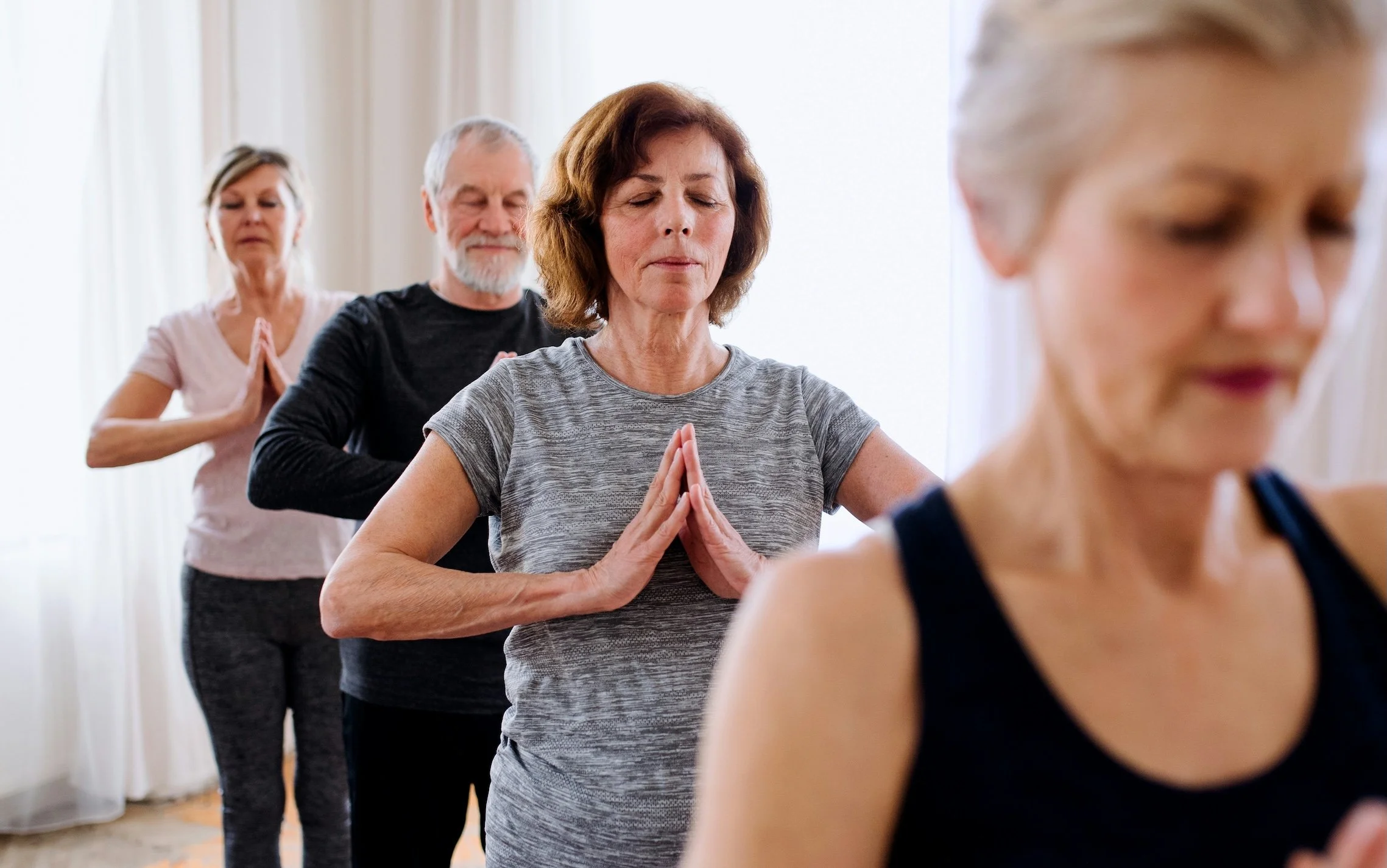
Qigong Practice for Modern Life
A modern approach to Qigong practice that meets you where you’re at. Learn how to begin, build consistency and deepen your practice over time.

Breathing in Qigong: Why Most Modern Breathing Advice Gets It Wrong
Modern wellness culture offers endless advice about breathing techniques — belly breathing, box breathing, nasal breathing and more. In Qigong, however, breathing is approached quite differently. Rather than forcing the breath into a technique, practice focuses on restoring the internal conditions that allow natural breathing to emerge.

Why people seek out Qigong
While there’s many different reasons that people seek out Qigong, I’ve found these typically fall into two broad categories; health & wellbeing and spiritualism.

What Is Qi Healing? Understanding Qi Healing in Qigong Practice
Qi healing is often misunderstood. This article explores how Qi healing is understood within Qigong practice, including Medical Qigong, external Qi healing and the role of cultivation.